

Issue #41: Staying Calm While Being Choked
My six-year Brazilian jiu jitsu journey, a brief history of the sport, and five homes near my favorite Bay Area jiu jitsu gyms.

The Silvert Lining is a place where I talk about real estate, cool homes for sale, things I’m looking forward to, and how I’ve been spending my time. In addition to this newsletter, I also post regularly on Instagram. You can follow me at Dan Silvert Homes. If you would like to meet with me to discuss your home search, you can schedule time here.
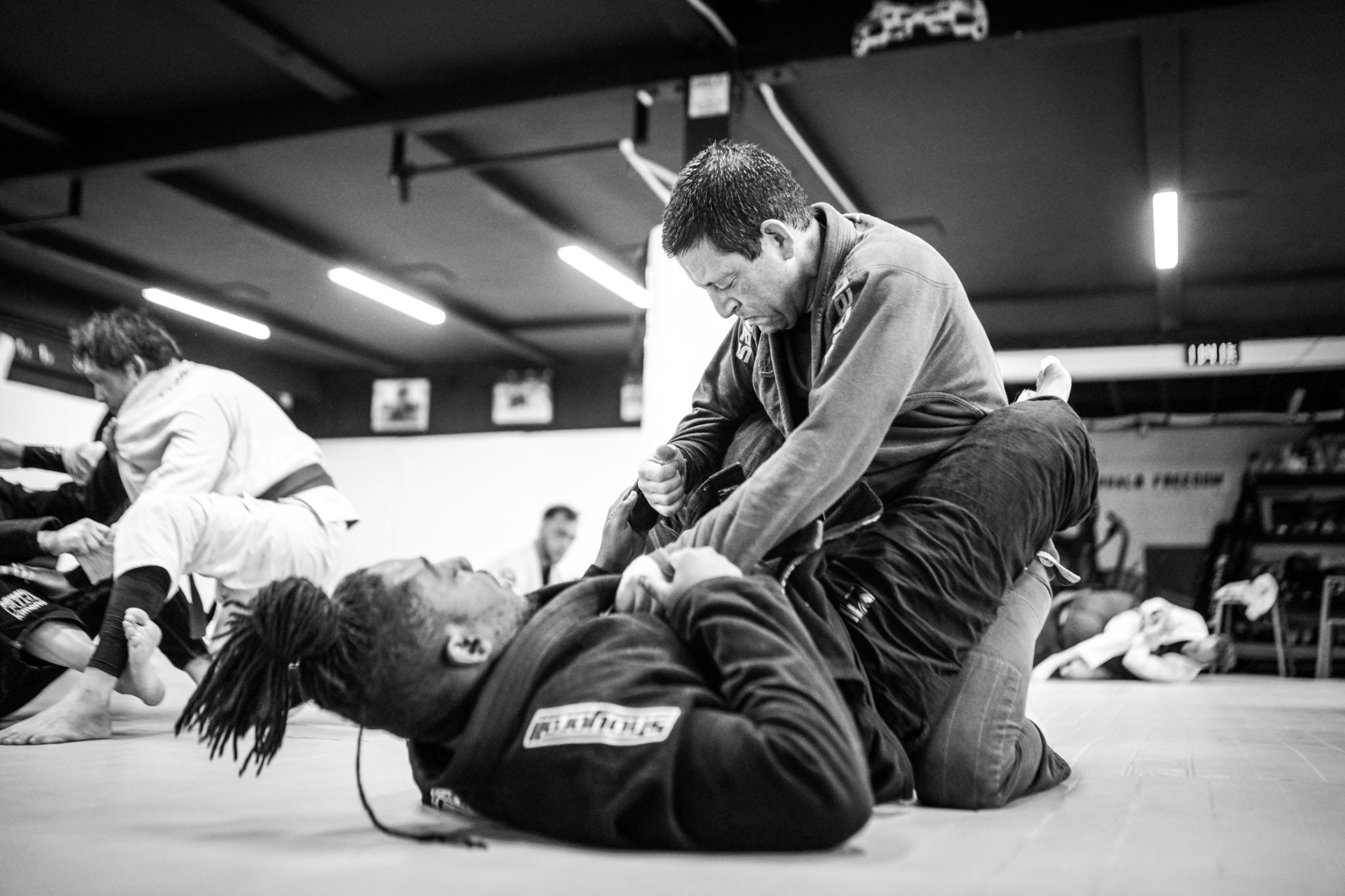
In early 2019, a friend and colleague named Daniel Ripper told me about Brazilian jiu jitsu and encouraged me to check it out. I’ve played team sports my entire life and consider myself reasonably athletic. I went to a few jiu jitsu classes and struggled with the physics of it. I was used to ball sports and team sports, so a sport (or “activity” or “fight,” depending on one’s perspective) that was conducted mostly on the ground without a single ball in sight felt foreign to me.
The original purpose of jiu jitsu was self-defense. When practiced as a competitive sport, the practical goal is to spar (or roll, in jiu jitsu terminology) until you choke your opponent unconscious, dislocate a joint, and/or break one of their bones. When you’re grappling in a class setting, practitioners are encouraged to “tap out” (physically or verbally) before permanent damage is incurred.
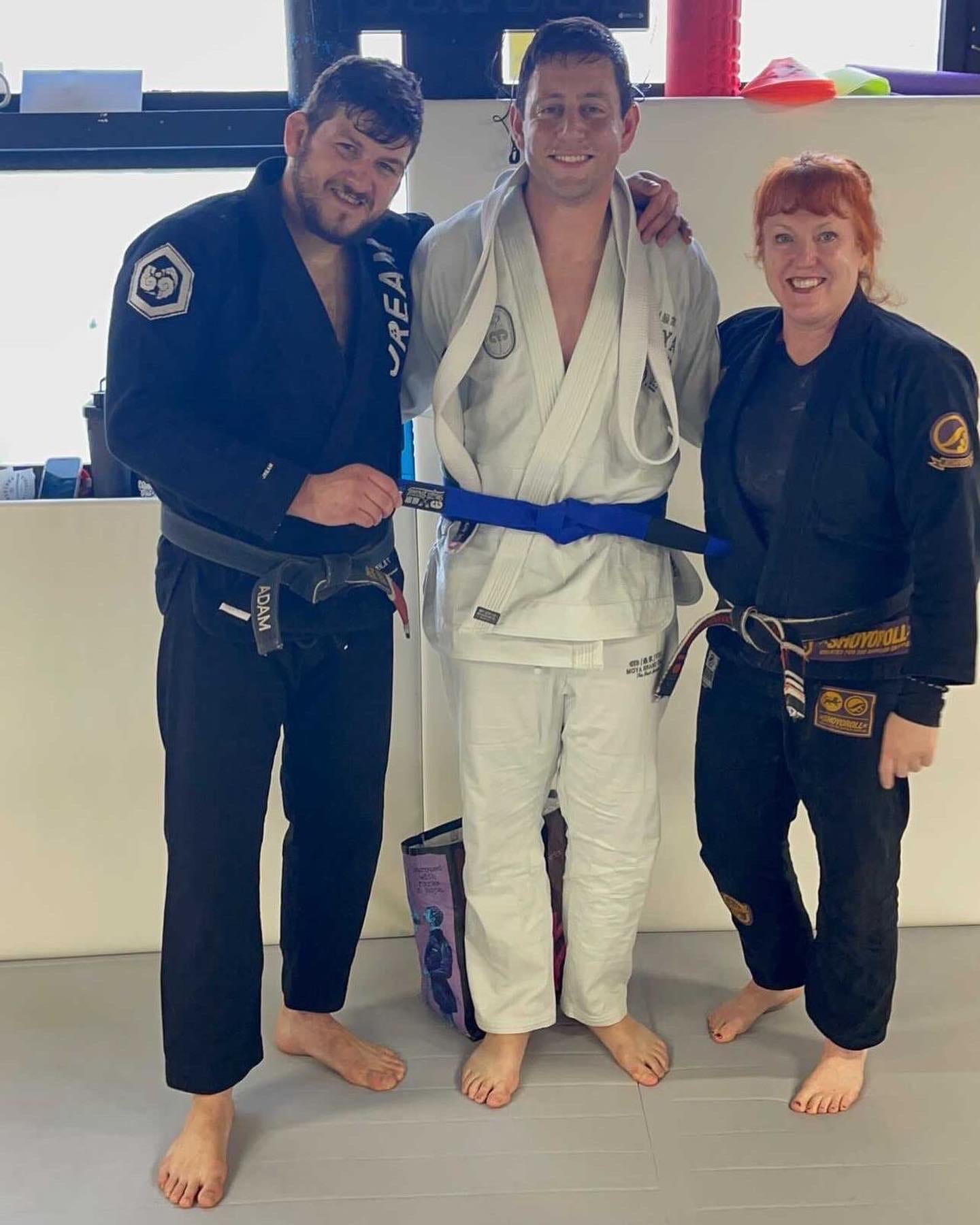
Like other martial arts, the belts become progressively darker as mastery improves: White, blue, purple, brown, and black. Obtaining a black belt can take anywhere from three to 20 years, with eight to 12 years being the norm. What I love about jiu jitsu is that it is “a race run at one’s own pace”; you can train as much or as little as you want.
I believe that if you know your “whys,” it makes sticking with new things that are unknown and scary more tolerable. I didn’t really know what my end goal was with jiu jitsu, but I knew that when I trained I felt good both physically and mentally. I decided to trust Daniel’s mantra of “just go train.”
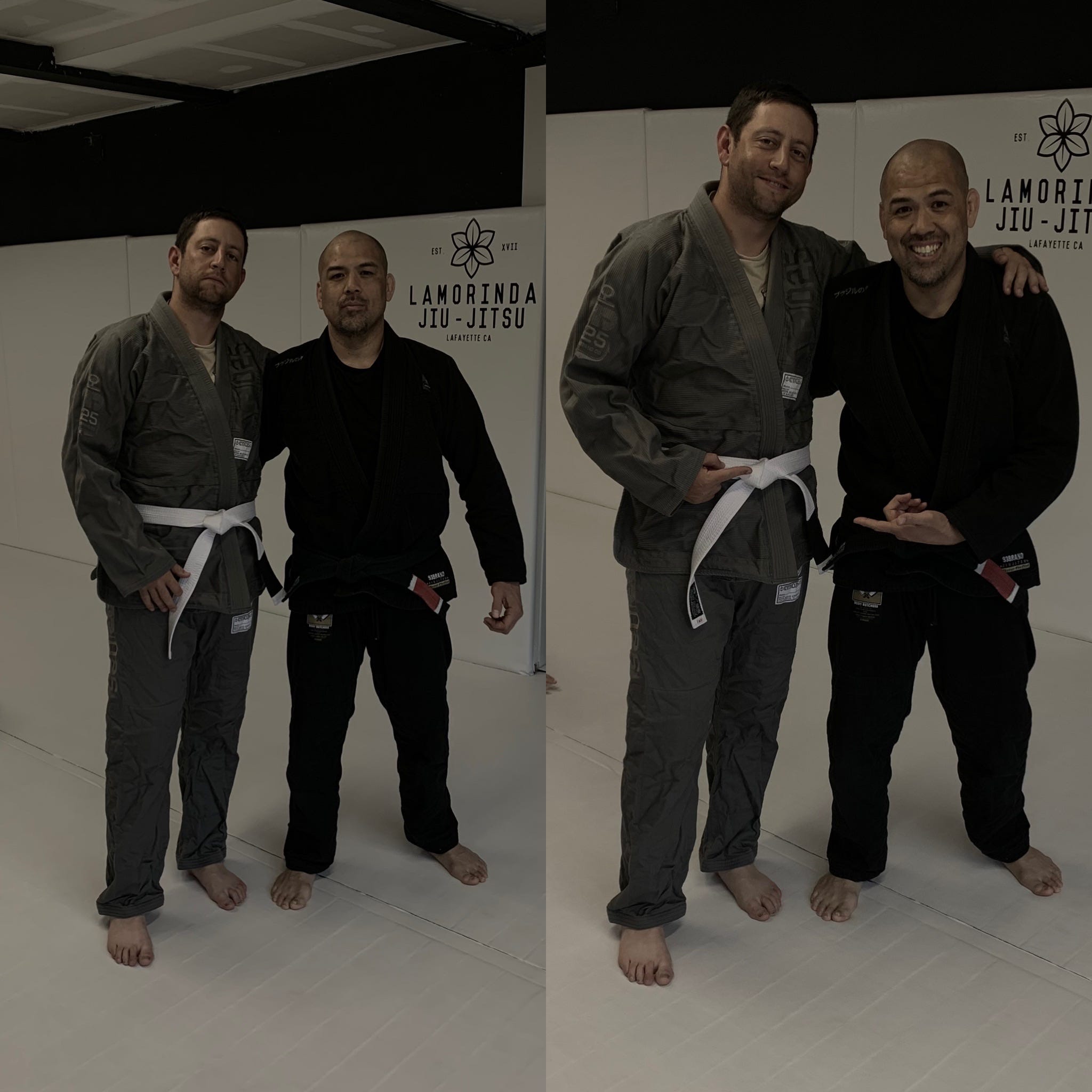
Slowly but surely, I understood that when I trained consistently, I saw tangible benefits to my mental and physical health; I felt calmer and my spatial intelligence improved. I brought more positive energy to my relationships with friends, colleagues, and family. When I found the love of my life in 2021, training jiu jitsu helped me become a more focused, intentional, and kind partner. Fun fact: On my first date with my girlfriend, I asked if I could show her a jiu jitsu move. She agreed and still wanted to go on a second date with me!
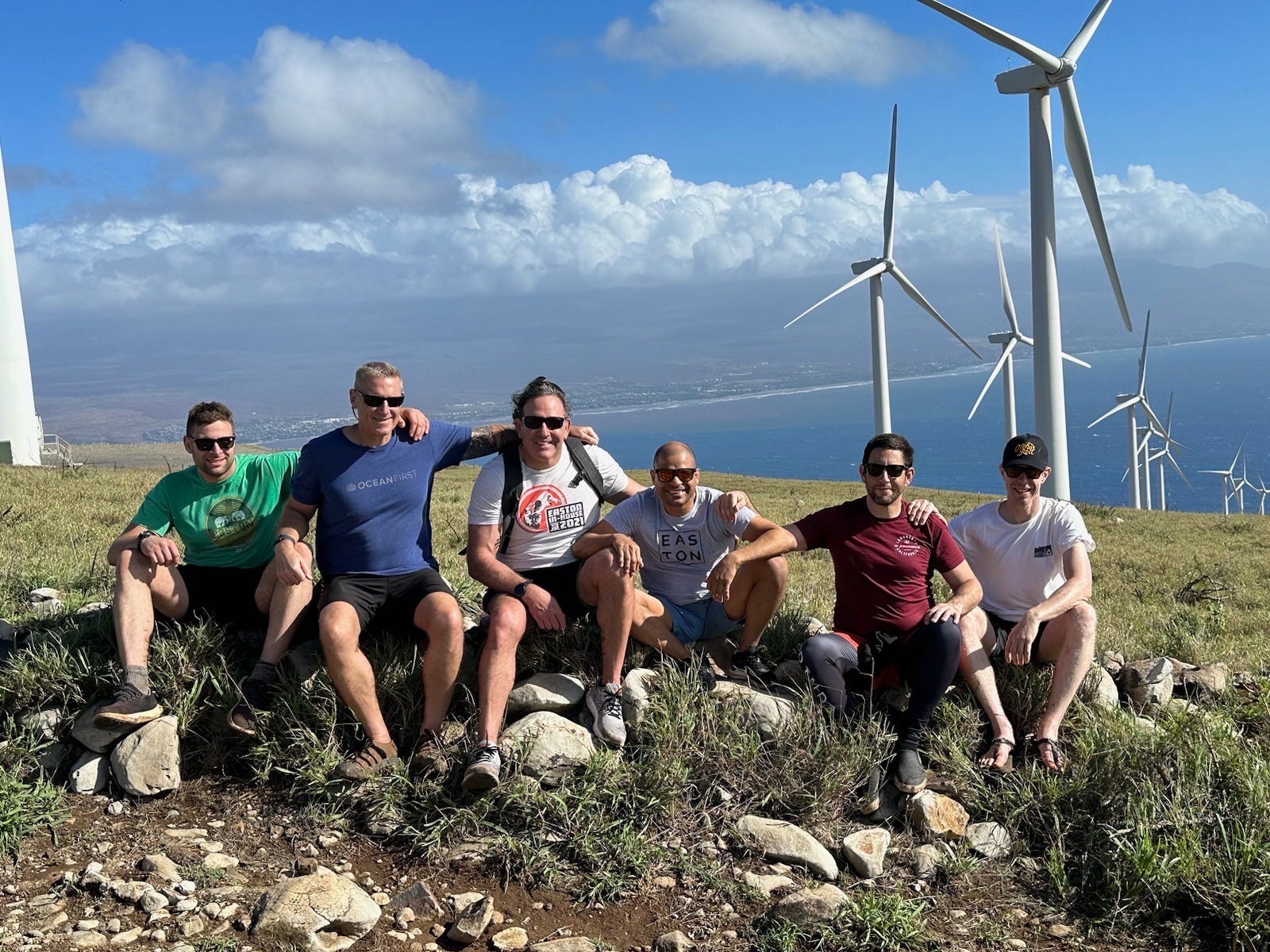
Jiu jitsu has given me the opportunity to travel and engage with like-minded people. In 2021 and 2022, I was fortunate enough to travel to Maui with Ultimate Fighting Championship (UFC) veteran Eliot Marshall and a bunch of his students from the Easton Training Center in Denver. In addition to training jiu jitsu, we focused on mindset and mindfulness as well as going on hikes and adventures to some amazing spots on the island.
I’ve also traveled to Louisville, Kentucky to train with Nick Albin, who morphed his nickname of “Chewy” (for being a big, dumb white belt) into a jiu jitsu empire known as Chewjitsu. Nick is a great businessperson who, in addition to being one of the first practitioners of the sport to leverage the internet for his business, is an accomplished grappler who has won multiple gold medals at major no-gi world championships. His approach to jiu jitsu is accessible and fun, with really high-level technique thrown in.


The origins of jiu jitsu date back to 2,000 BCE when Buddhist monks in India developed a form of self-defense that was focused on neutralizing an opponent with leverage and balance instead of weapons. As Buddhism spread, so did the tenets of jiu jitsu.
Under feudalism in Japan, jiu jitsu flourished as a practice of unarmed combat for the Samurai warrior class. According to jiu jitsu lore, in the seventeenth century a doctor and jiu jitsu practitioner named Akiyama Shirobei Yoshitoki was meditating at the Kitano Tenmangu Shrine during a snowstorm when he noticed that the accumulated snow broke the branches on most trees, but the branches of a willow tree bent with the storm which prevented snow from accumulating and breaking the tree’s branches. This revelation about the power of movement and elasticity inspired Yoshitoki to create a number of techniques that are still taught in jiu jitsu today. Yoshitoki then founded the School of the Willow Heart, which is one of the most famous jiu jitsu schools from the Edo period. When feudalism ended in Japan in 1871, Samurai were out of a job, but jiu jitsu remained popular as a strength-building martial art.
We’re now to the part of jiu jitsu’s history where the sport intersects with judo. A jiu jitsu enthusiast and member of Japan’s Ministry of Education named Jigoro Kano founded the sport of judo in 1882 and was also the first Asian member of the International Olympic Committee. Mitsuyo Maeda, the head of the second generation of Kodokan judo, traveled around the world with other judokas promoting judo beginning in 1904. Maeda organized events where he would demonstrate judo techniques, and then accept challenges from the crowd. These shows became quite popular as wrestlers, boxers, and other martial artists lined up to fight, and usually be defeated by, Maeda.
In 1917 a 14-year-old Carlos Gracie saw one of Maeda’s demonstrations and wanted to learn judo; Maeda accepted Carlos as a judo student. The years of impromptu matches with opponents from different combat lineages had influenced Maeda’s judo techniques. This diversity of experience was fundamental to his role as an instructor to Carlos, who in turn taught his younger brother Helio everything he learned from Maeda.
Carlos and Helio are credited with founding modern Brazilian jiu jitsu. The Gracies, particularly Helio, spent the 1930s and 1940s fighting no-holds-barred vale tudo matches against boxers, wrestlers, and brawlers alike. Their sport came to the United States in the latter half of the twentieth century, with Rorion Gracie teaching the art out of his garage in Torrance. I was able to replicate that experience when I trained in a garage last year in the Hollywood hills.
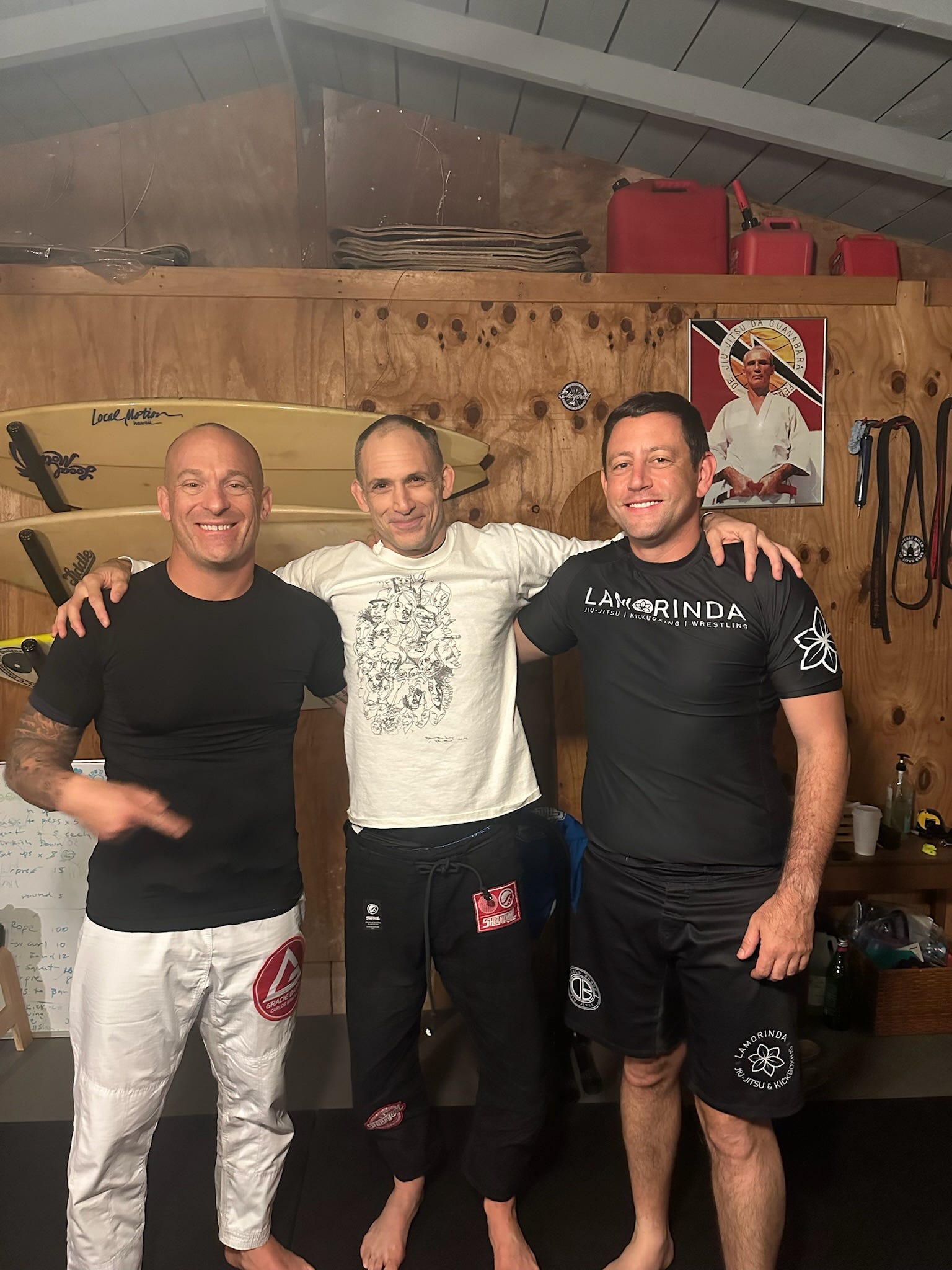
To prove the durability and robustness of Brazilian jiu jitsu, Rorion created the first UFC in 1993. Though the UFC has morphed into one of the highest-profile sporting events in the United States outside of the NFL and NBA, its roots were humble. The arena in Denver was about half full and the mix of fighters was eclectic, including a boxer wearing one glove and a 6’5” Dutch kickboxer. For those of you old enough to remember the video game, it was Street Fighter II come to life. The Gracies sent Royce Gracie, who wasn’t even the best or brawniest representative of the family’s athleticism, to open a can of whoop-ass on the unsuspecting world. He won three fights that night to win the championship, and won three of the first four UFC titles.
While I have no plans to participate in a UFC fight, I love training jiu jitsu a couple times a week. Jiu jitsu has taught me to breathe under duress and be able to better address difficult situations. Stressful situations become more navigable when I’ve spent a few hours that week with grown men (and women) trying to strangle me. If you’re ever interested in training jiu jitsu with me, please let me know as I love introducing people to the sport.
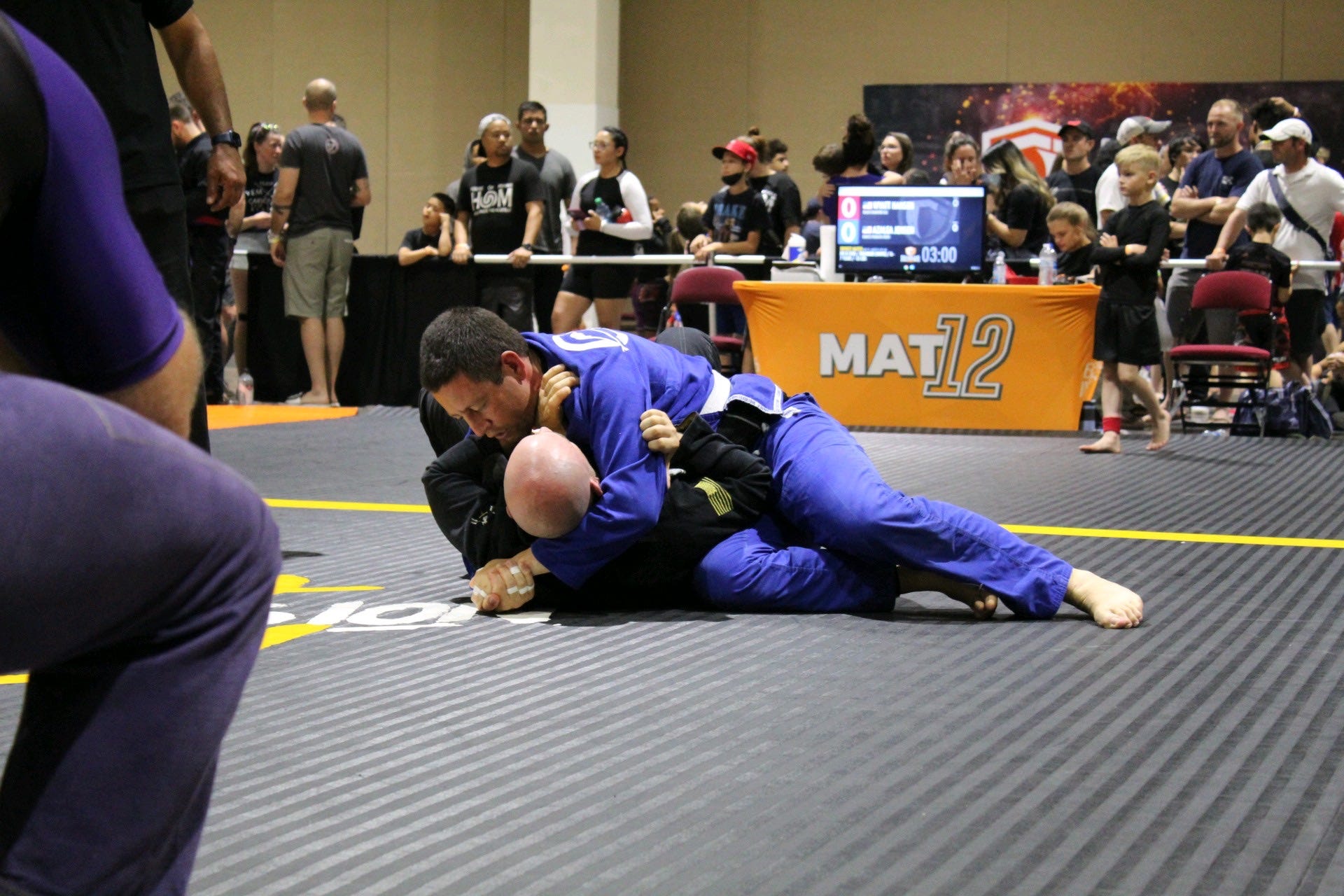
This week I’m matching five local gyms that I’ve trained at with nearby homes for sale.
Lamorinda Jiu Jitsu and Kickboxing + 1085 Oak Hill Road, Lafayette

10th Planet Jiu Jitsu Oakland + 6218 Manoa Street, Oakland

Steadfast Martial Arts + 700 Ocean Avenue, Richmond

Ralph Gracie Brazilian Academy Berkeley + 608 Colusa Ave, Berkeley
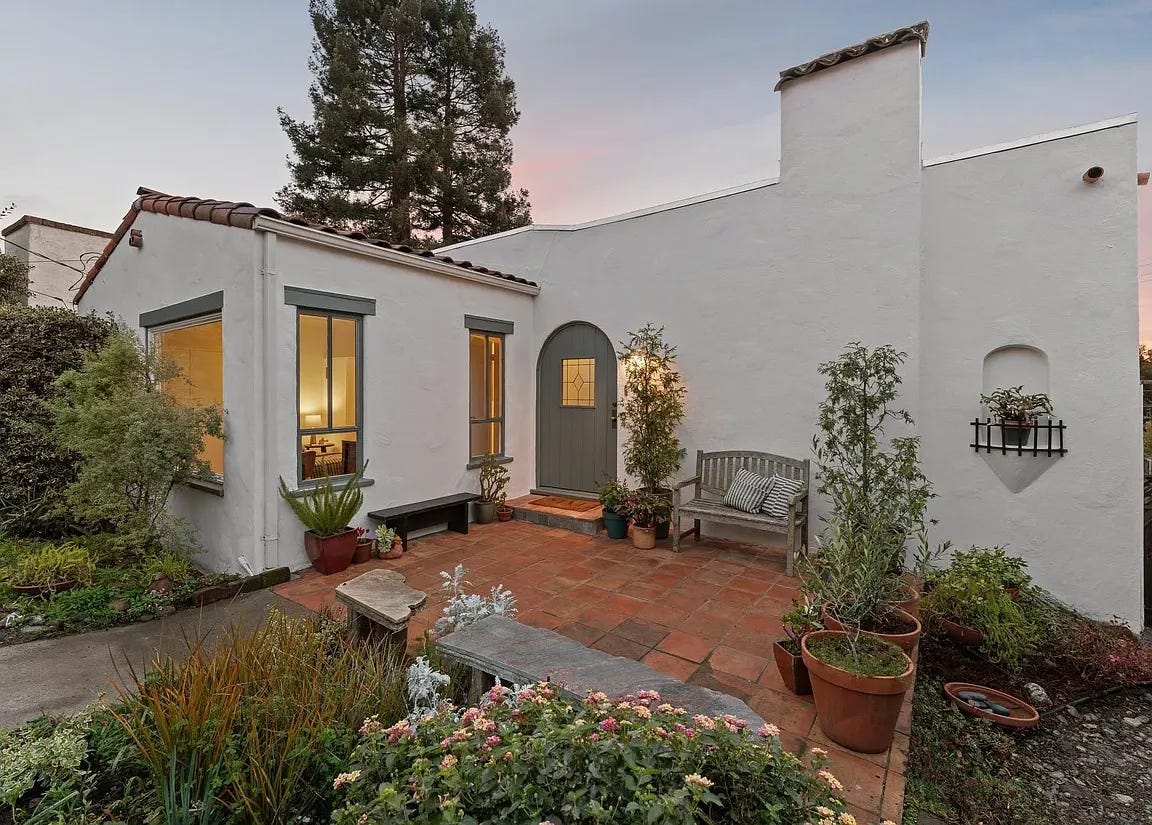
New Creation Wrestling and Jiu Jitsu + 1185 West K Street, Benicia

Let me know if you are looking for a new home and I can create a customized search based on your wants and needs that will email you homes that meet your search criteria. You can schedule time with me to discuss your search for a new home or selling your current home by emailing me at DanSilvertHomes@gmail.com. DRE #01963734
Way to go and thanks for sharing your story!
Thanks for the interesting explanation of Jiu jitsu.